What Soil Health Is — and Why It Matters to Your Meat, Your Family, and the Planet
Digging Deeper
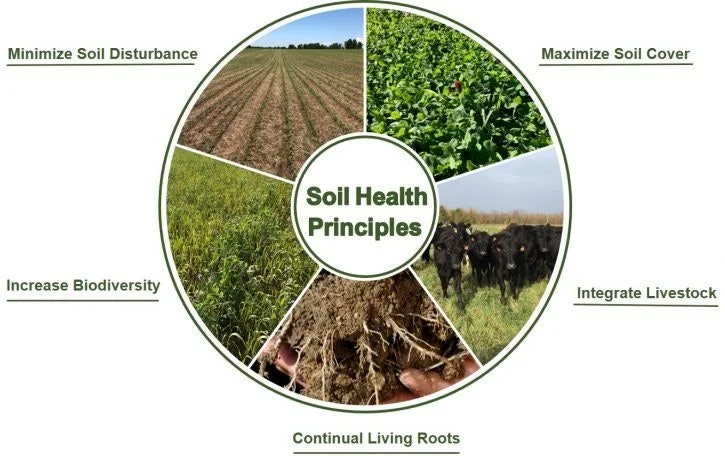
Soil health is the living engine beneath our feet: a dynamic mix of minerals, organic matter, water, air, and billions of organisms that cycle nutrients, build structure, store carbon, and support plant growth. Healthy soil isn’t just dirt — it’s a vibrant ecosystem that determines the quality of the forage and grain animals eat, affects animal health and welfare, and shapes the environmental footprint of food production. Here’s a clear look at how soil health connects to the meat on your plate and the world your children will inherit.
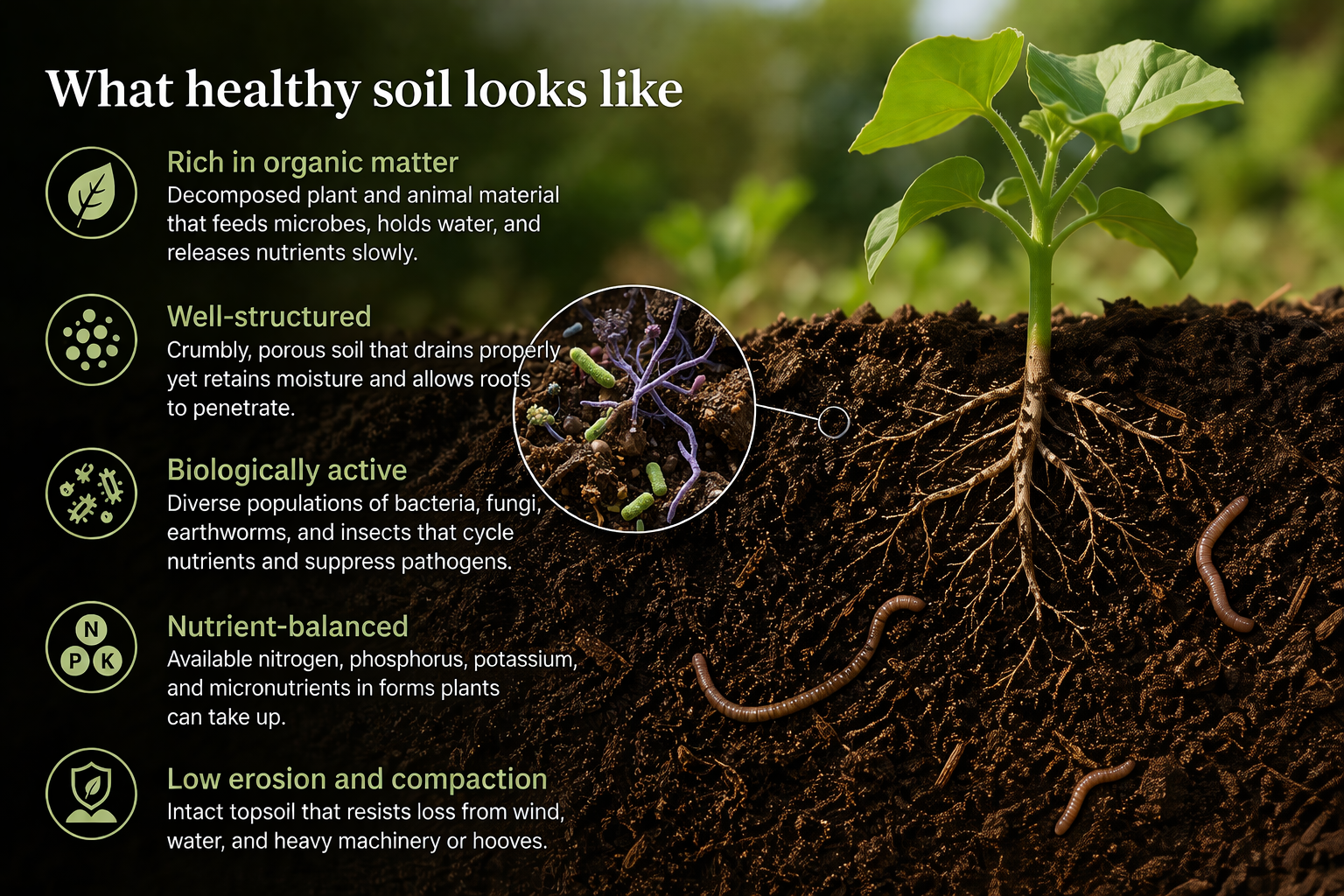
What healthy soil looks like
Rich in organic matter — decomposed plant and animal material that feeds microbes, holds water, and releases nutrients slowly.
Well-structured — crumbly, porous soil that drains properly yet retains moisture and allows roots to penetrate.
Biologically active — diverse populations of bacteria, fungi, earthworms, and insects that cycle nutrients and suppress pathogens.
Nutrient-balanced — available nitrogen, phosphorus, potassium, and micronutrients in forms plants can take up.
Low erosion and compaction — intact topsoil that resists loss from wind, water, and heavy machinery or hooves.
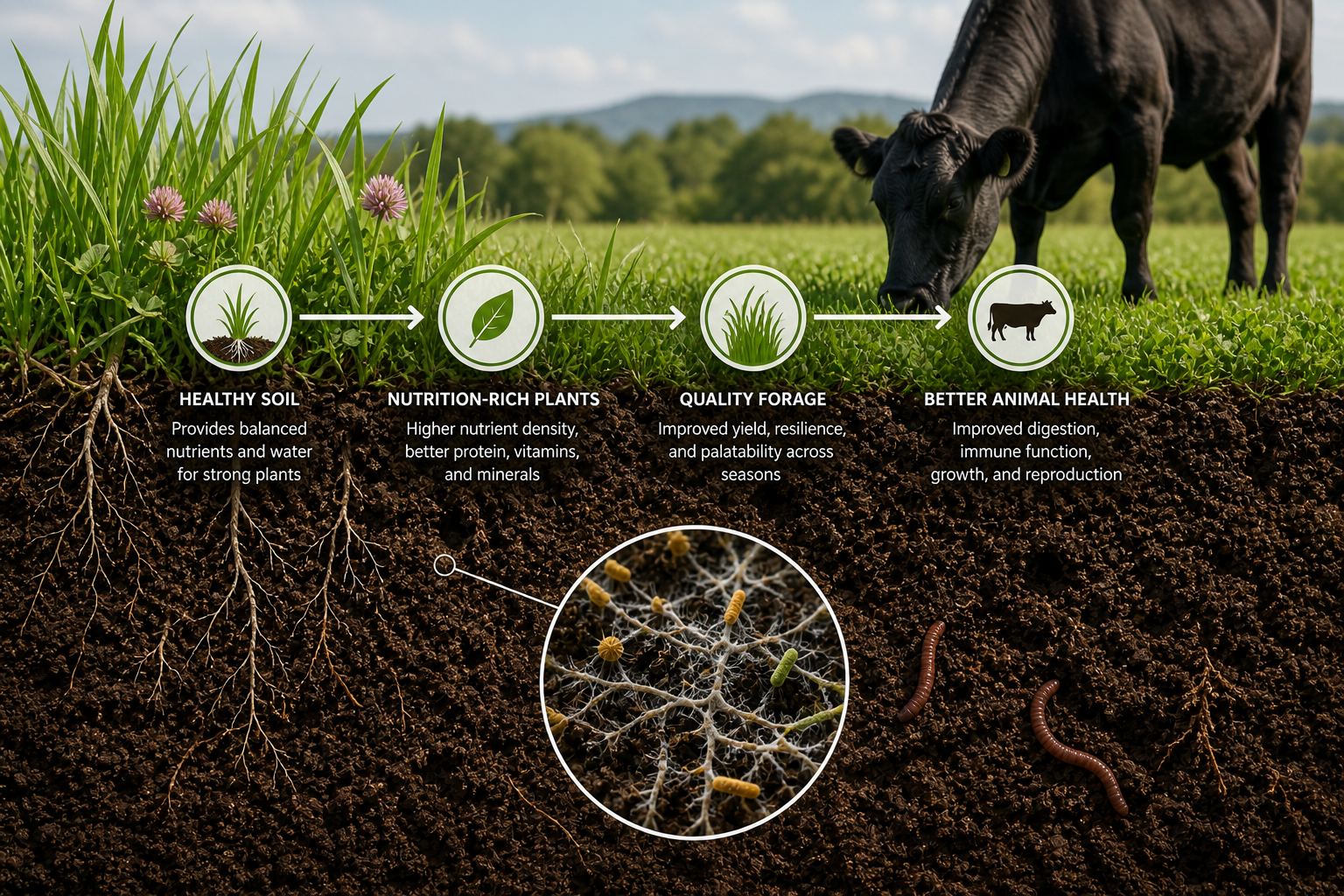
How soil health affects the plants animals eat
Higher nutrient density in forage and grain: Healthy soil supplies a better balance of macro- and micronutrients to plants. Forages grown on balanced soils contain more protein, vitamins, and minerals — so grazing animals ingest more of the nutrients they need for growth, immune function, and reproduction.
Improved forage quality and yield: Good soil structure and moisture retention produce resilient, productive pastures and cover crops. That means more consistent, high-quality feed across seasons and fewer nutritional gaps.
Lower plant stress and toxic compounds: Plants stressed by poor soil (nutrient imbalances, compaction, drought) can produce anti-nutritional compounds or concentrate heavy metals. Healthy soils reduce these risks.
Better rumen function and digestion: When animals eat forage with balanced fiber, energy, and minerals, their digestive systems perform more efficiently, supporting weight gain, milk production, and overall health.
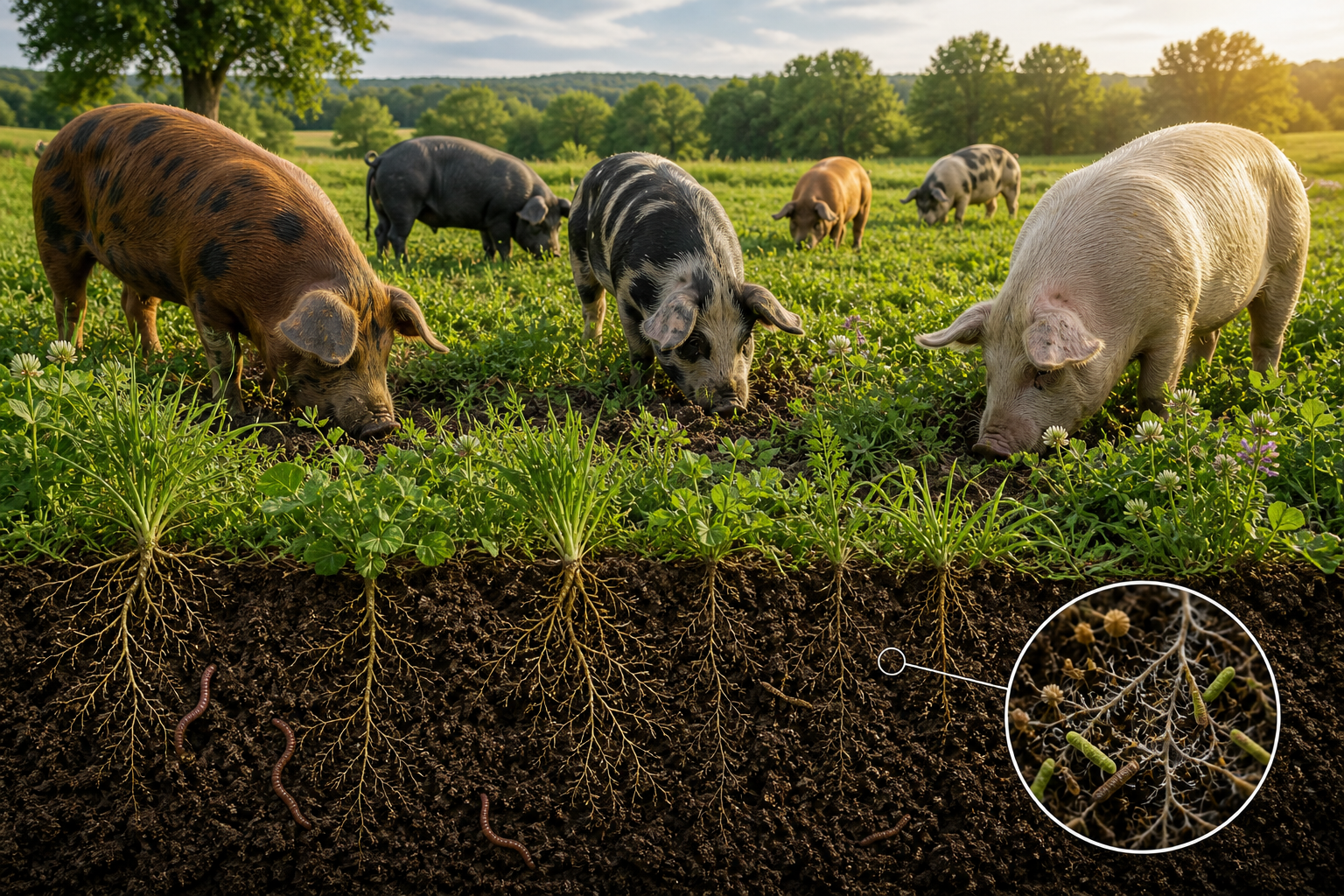
Direct benefits to animal health and welfare
Stronger immune function: Animals consuming nutrient-rich feed are better equipped to resist disease, reducing the need for antibiotics and interventions.
Improved growth and reproductive success: Balanced diets from healthy pastures support steady weight gain, body condition, and fertility.
Fewer metabolic disorders: Proper mineral profiles and consistent energy supply lower metabolic stresses that cause disorders (e.g., ketosis, acidosis).
Enhanced resilience: Animals on diverse, well-managed pastures cope better with weather swings and parasite pressures.
Better behavior and welfare: Access to high-quality pasture reduces hunger-driven behaviors, supports natural foraging behaviors, and improves overall wellbeing.
How this benefits you — the meat buyer
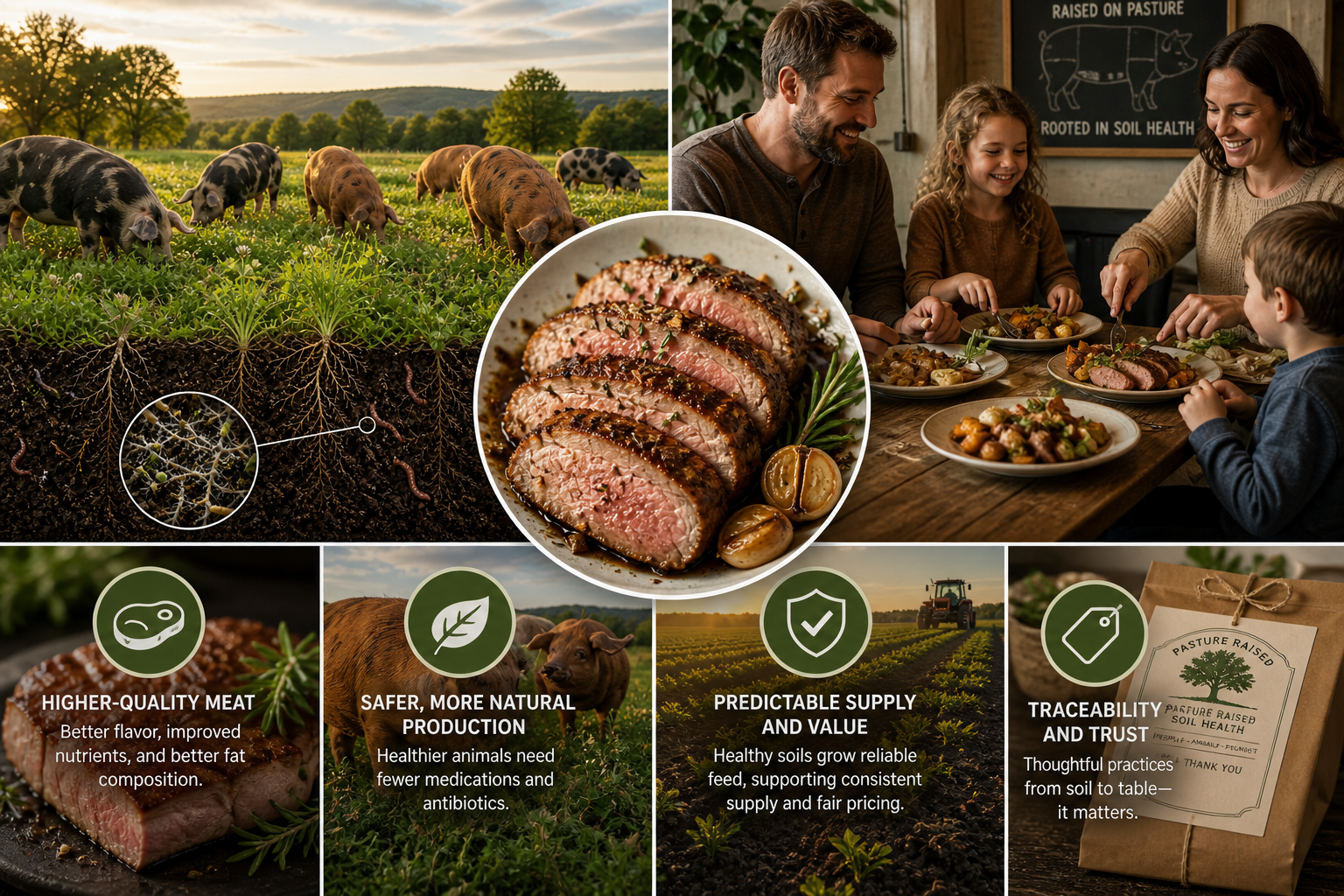
Higher-quality meat: Animals raised on nutritious forage produce meat with better flavor, improved fat composition, and consistent texture. Healthy diets can increase beneficial fatty acids (like omega-3s) and improve nutrient content in meat.
Safer, more natural production: Healthier animals need fewer medications. That can mean lower antibiotic use and a production system aligned with consumer preferences for natural, responsible farming.
Predictable supply and value: Healthy soils support dependable forage and feed production, which helps us maintain consistent supply, quality, and fair pricing for customers.
Traceability and trust: When we focus on soil health, we can point to thoughtful management practices at the start of the food chain — it matters where and how feed is grown.
Environmental benefits (and why they matter to future generations)
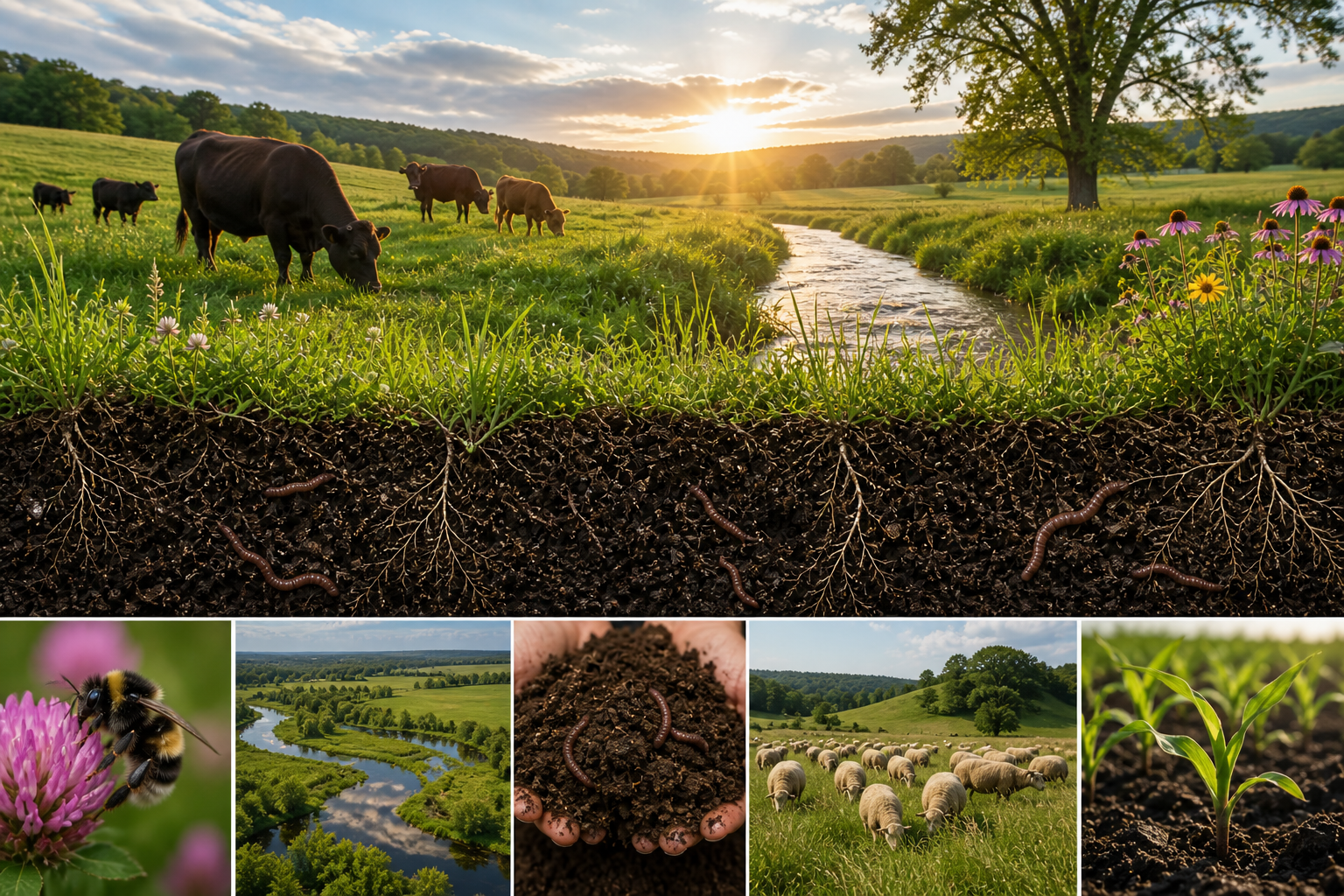
Carbon sequestration: Healthy soils store organic carbon, pulling greenhouse gases out of the atmosphere. Well-managed pastures and rotational grazing are practical ways to lock carbon in the ground.
Water quality and retention: Soils high in organic matter absorb and hold water, reducing runoff and preventing nutrients from polluting streams, rivers, and bays. That protects freshwater used by communities and wildlife.
Biodiversity: Diverse soil life supports diverse above-ground ecosystems — pollinators, beneficial insects, and native plants thrive alongside well-managed farms.
Erosion control and landscape resilience: Intact topsoil resists erosion and helps land recover from extreme weather events, preserving productive farmland for future generations.
Reduced reliance on synthetic inputs: Healthy soils cycle nutrients more efficiently, decreasing the need for heavy fertilizer and the energy and emissions associated with producing and applying it.
How we manage soil health at Moo’s Farm Store —
what it means for the meat you buy
Rotational grazing and pasture rest: Moving livestock across paddocks prevents overgrazing, allows plant recovery, builds root systems, and reduces compaction.
Cover cropping and diverse species mixes: Plant diversity above ground feeds diversity below ground, builds organic matter, and supports a resilient soil food web.
No‑till and minimal‑till practices: We avoid heavy tillage that tears up soil structure and destroys fungal networks. By reducing or eliminating tillage, we keep roots, residues, and carbon in place where they feed soil microbes and store moisture. Minimal soil disturbance preserves the living architecture of the soil—promoting stronger root systems, better nutrient cycling, and reduced erosion. That healthier soil grows more nutritious forage, which translates to healthier, more flavorful meat.